 Luminara
Natural Support for Well-being
Educational descriptions of natural ingredients and traditional uses
Traditional Natural Ingredients
This guide presents information on natural ingredients and traditional herbal preparations, framed purely as educational descriptions of their historical use and generally understood properties. The information provided is for educational purposes only and does not constitute medical advice or health claims.
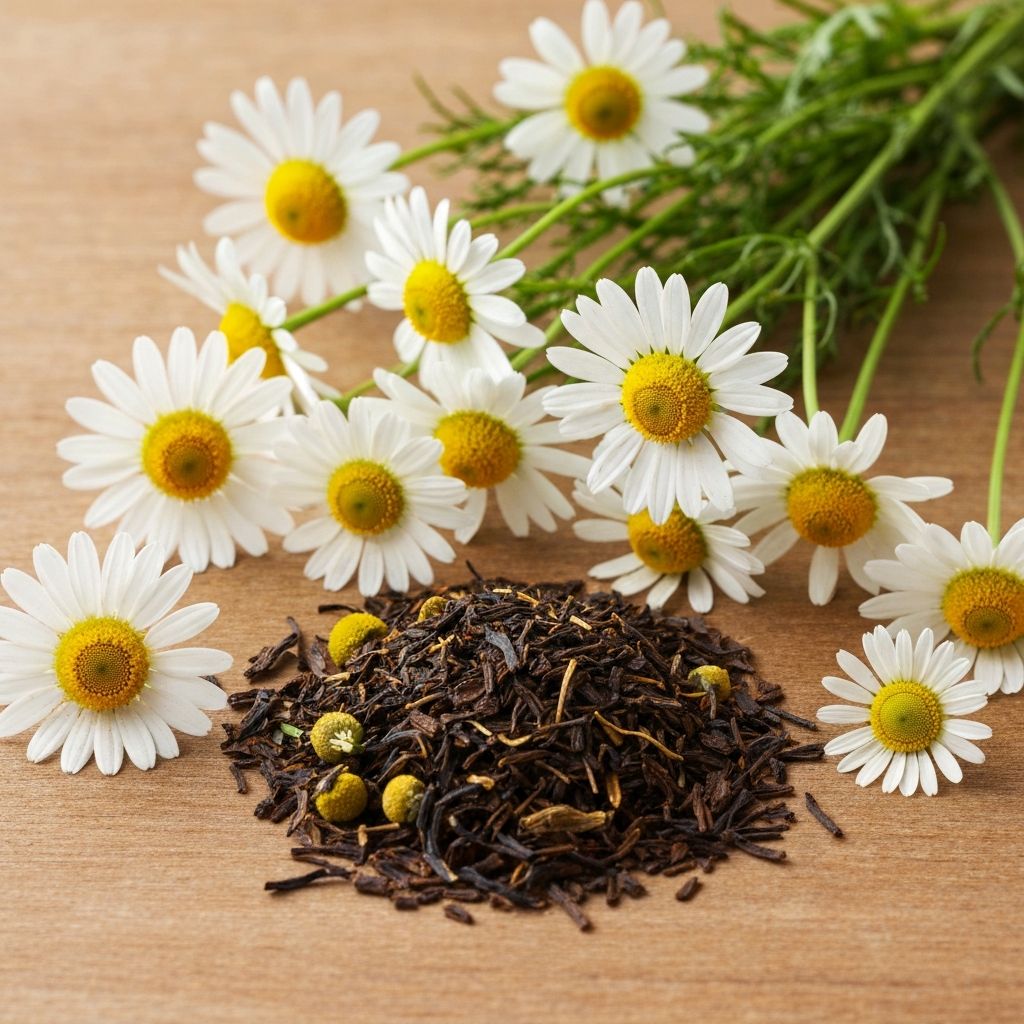
Chamomile
Chamomile is a flowering plant with a long history of traditional use across European and Middle Eastern cultures. The dried flowers have been used in herbal preparations for centuries.
- Traditionally used for relaxation practices
- Historically featured in herbal tea preparations
- Known for its mild, pleasant herbal character
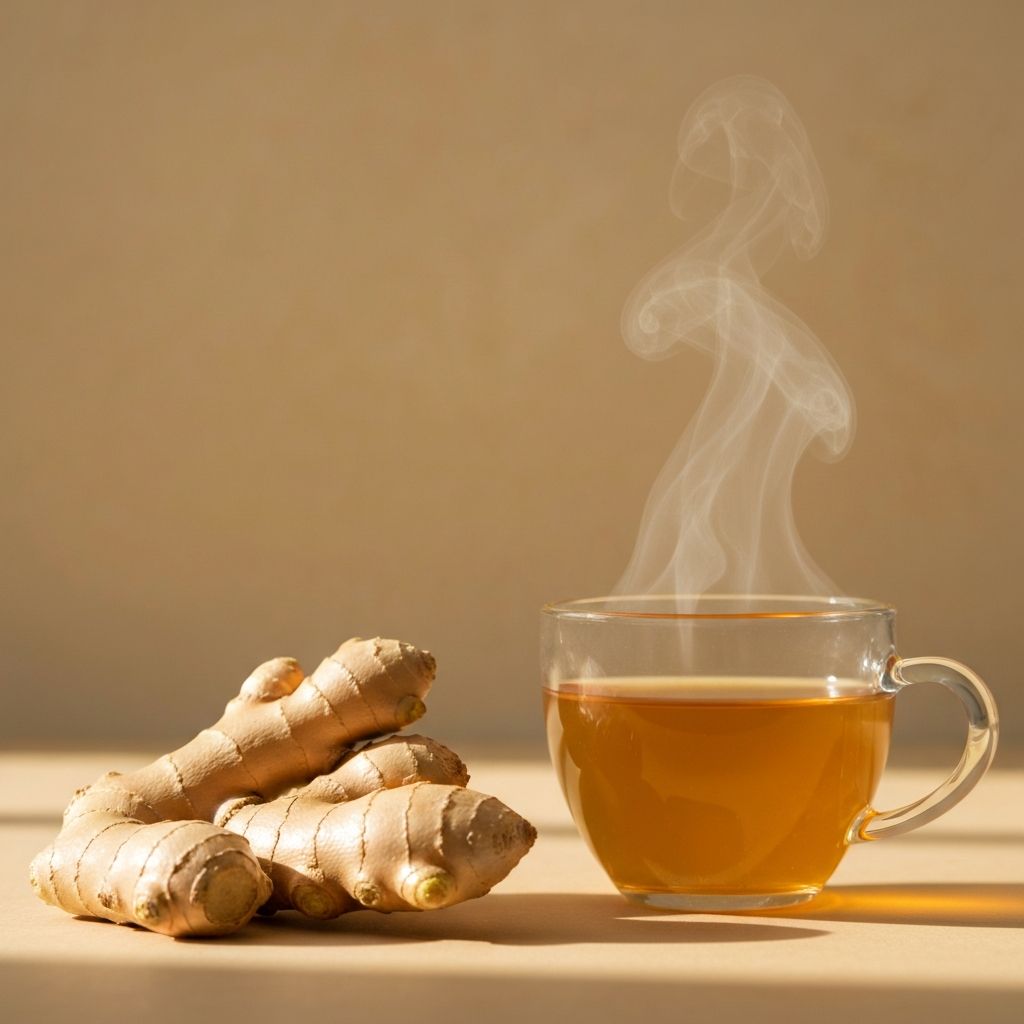
Ginger
Ginger is a rhizome with extensive traditional use in Asian, Indian, and Middle Eastern cuisines and wellness practices. It has been valued for thousands of years across various cultures.
- Traditionally used in culinary and herbal preparations
- Known for its warming properties in traditional wellness practices
- Valued for its distinctive aromatic and flavor profile
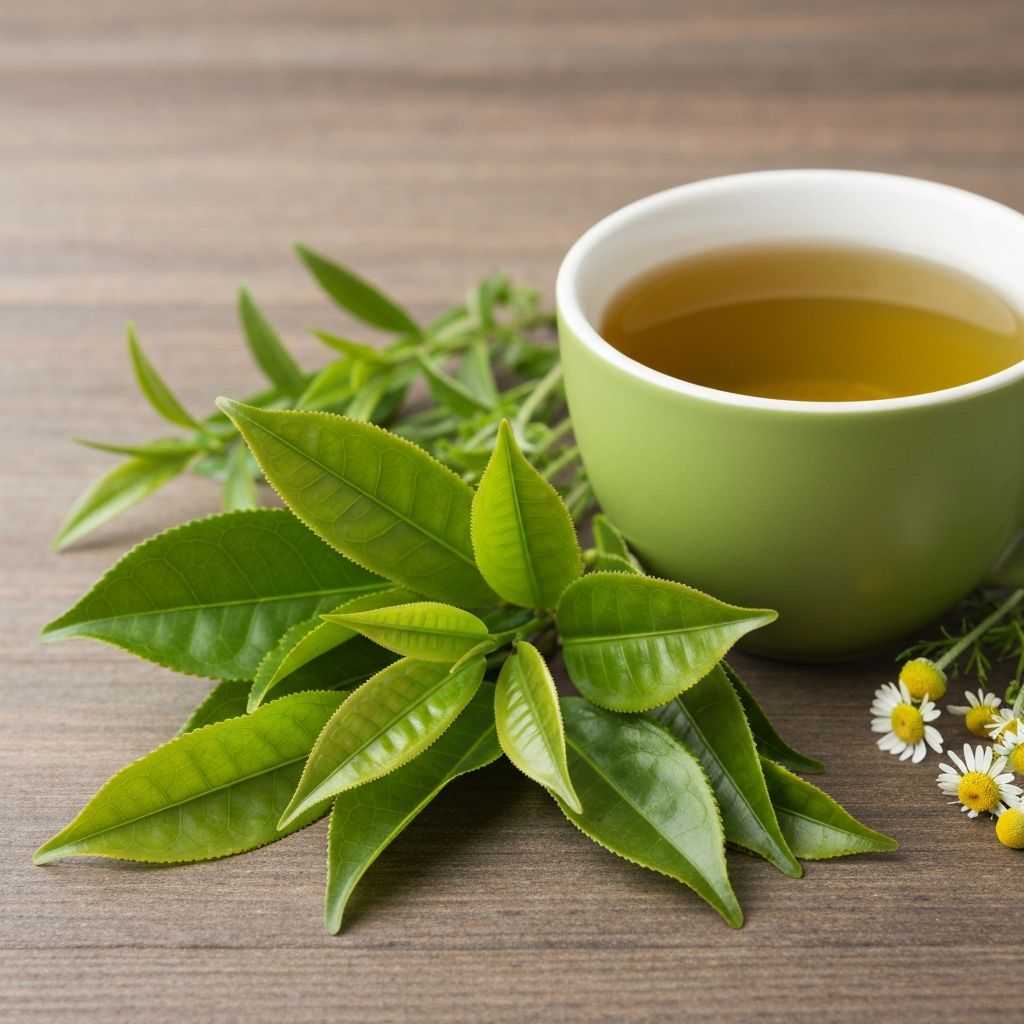
Green Tea
Green tea comes from the leaves of the Camellia sinensis plant and has been central to East Asian cultures for centuries. It is one of the oldest and most widely consumed herbal beverages worldwide.
- Traditionally consumed as a daily herbal beverage
- Valued in traditional wellness practices across Asia
- Known for its subtle flavor and aromatic qualities
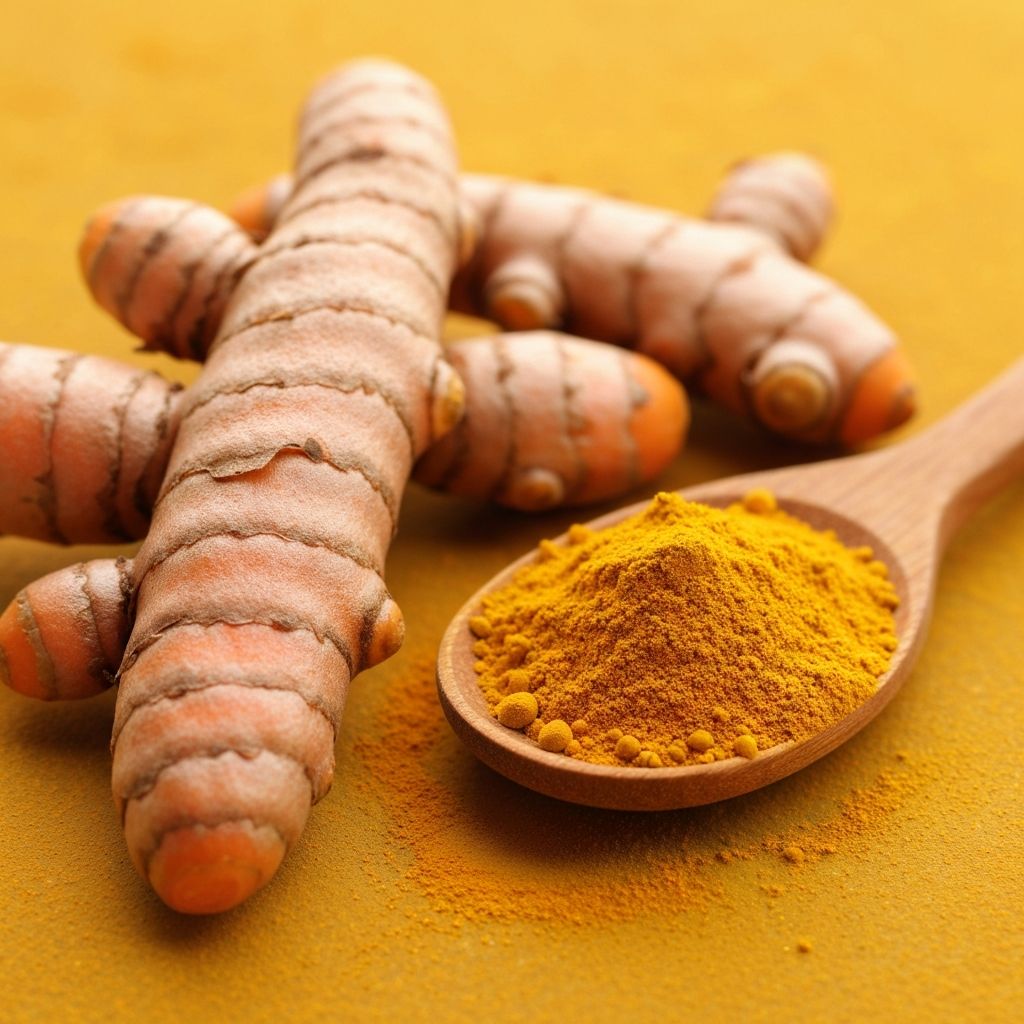
Turmeric
Turmeric, derived from the Curcuma longa root, has been used in South Asian and traditional medicine systems for over 4,000 years. It is fundamental to Indian culinary and wellness traditions.
- Traditionally used in Indian and Asian cuisines
- Valued in traditional wellness practices for centuries
- Known for its distinctive golden color and warm flavor
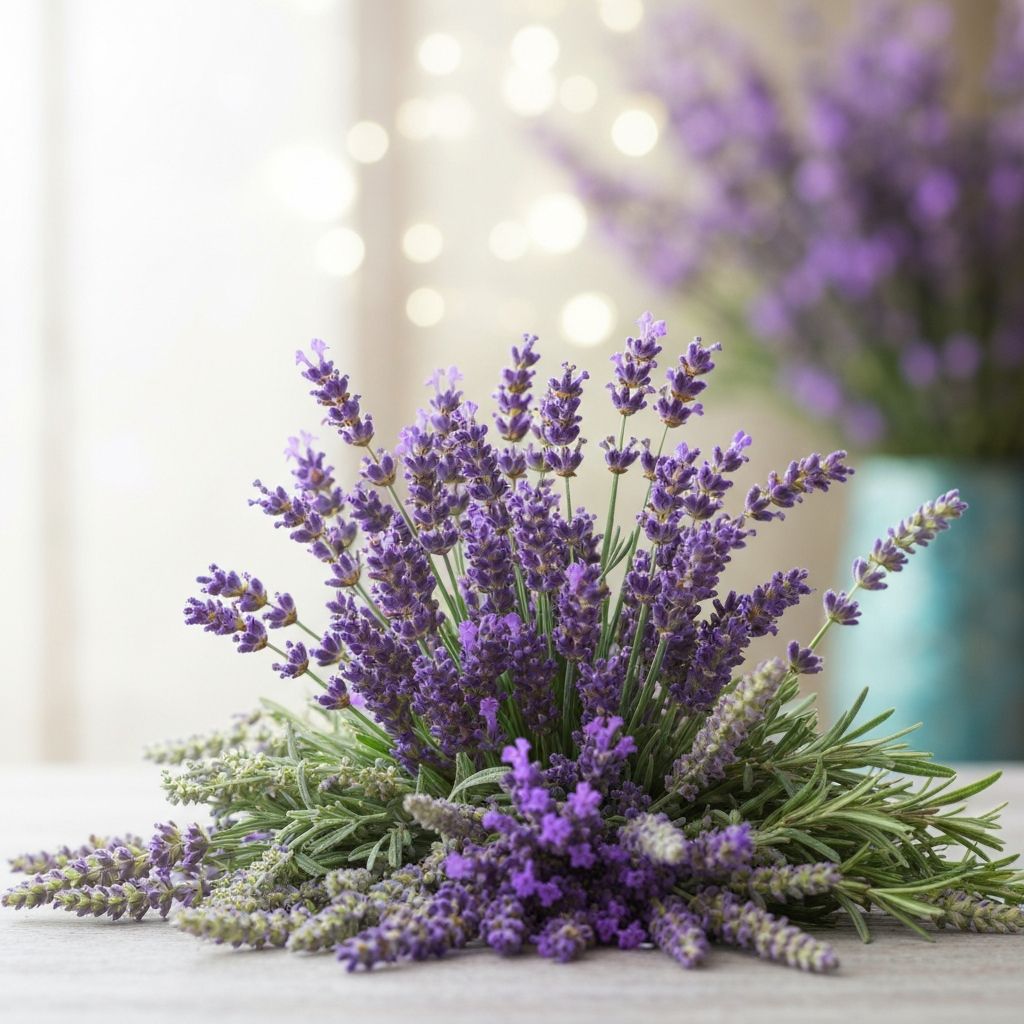
Lavender
Lavender is a flowering plant native to the Mediterranean region with centuries of use in European cultures. It has been valued for its aromatic properties and traditional applications.
- Traditionally used in herbal preparations and aromatics
- Valued for its distinctive floral fragrance across cultures
- Known for its use in relaxation-focused traditions
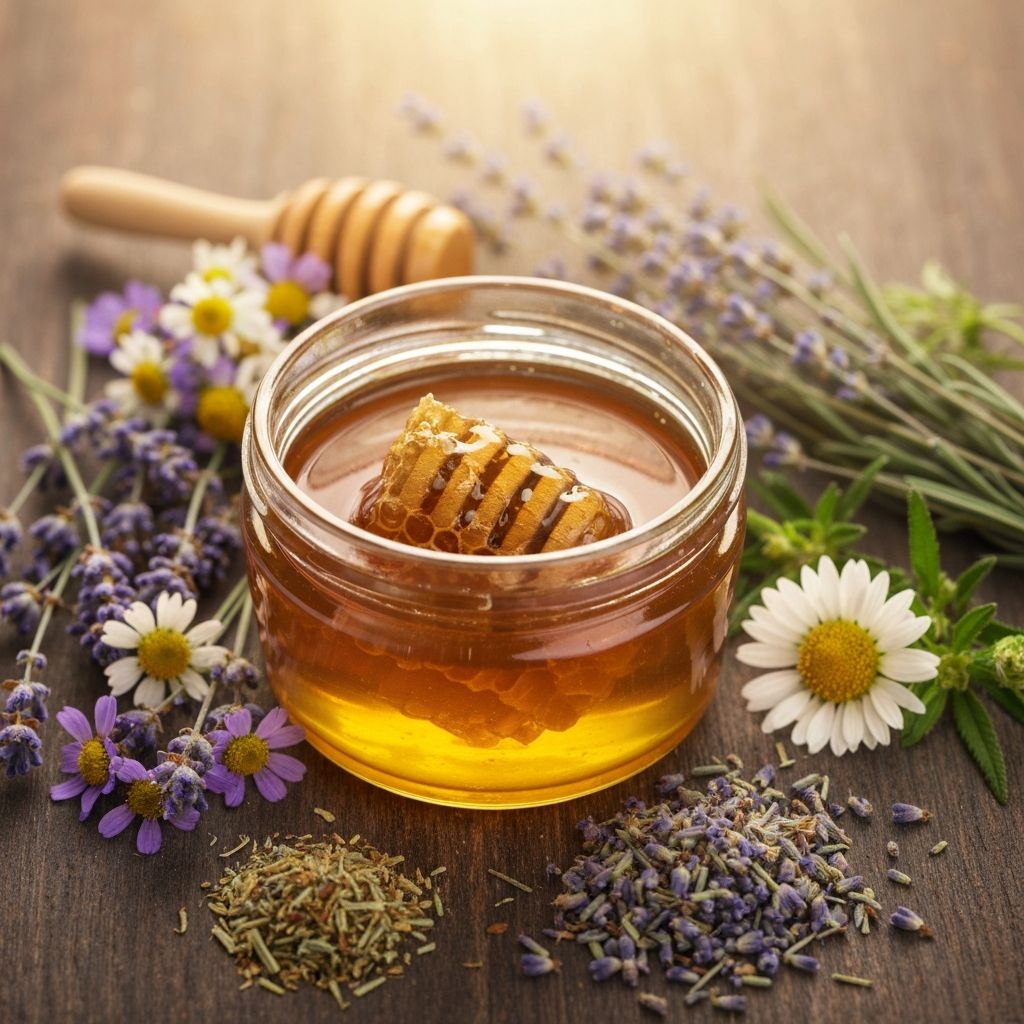
Honey
Honey is a natural substance produced by honeybees and has been valued across human civilization for millennia. It features prominently in traditional wellness practices worldwide.
- Traditionally used as a sweetening agent in herbal preparations
- Valued in traditional medicine systems across cultures
- Known for its natural composition and flavor profile
Understanding Natural Ingredients
Natural ingredients have been used throughout human history across various cultures and traditions. Understanding their historical context and traditional uses provides insight into how different societies have approached wellness.
Historical Context
Many herbs and botanical ingredients have been documented in ancient texts and traditional medicine systems. These records reflect accumulated knowledge about plant properties and traditional applications passed down through generations.
Plant Compounds
Plants contain complex chemical compounds. Scientific research continues to investigate how these compounds interact with human physiology, but traditional uses often precede modern scientific understanding.
Cultural Significance
Different cultures have developed distinct traditions around specific herbs and preparations. These traditions represent valuable historical knowledge about how plants have been used for wellness purposes.
Important Clarification
The information provided about natural ingredients is purely educational and descriptive. It is not medical advice, and we do not make health claims about these ingredients. The traditional uses described are historical and cultural in nature. Before incorporating any herbs or natural ingredients into your wellness routine, consult with a qualified healthcare professional. Individual responses to any substance vary, and professional guidance is essential for your health and safety.